
 Sport
Sport

 Basketball

 Football - Soccer

 5-a-side football - Minisoccer

 Beach soccer

 Handball

 Volleyball
What is a divider curtain used for in a gym or sports hall? In modern sports facilities, the efficient use of space...

Latest posts
-
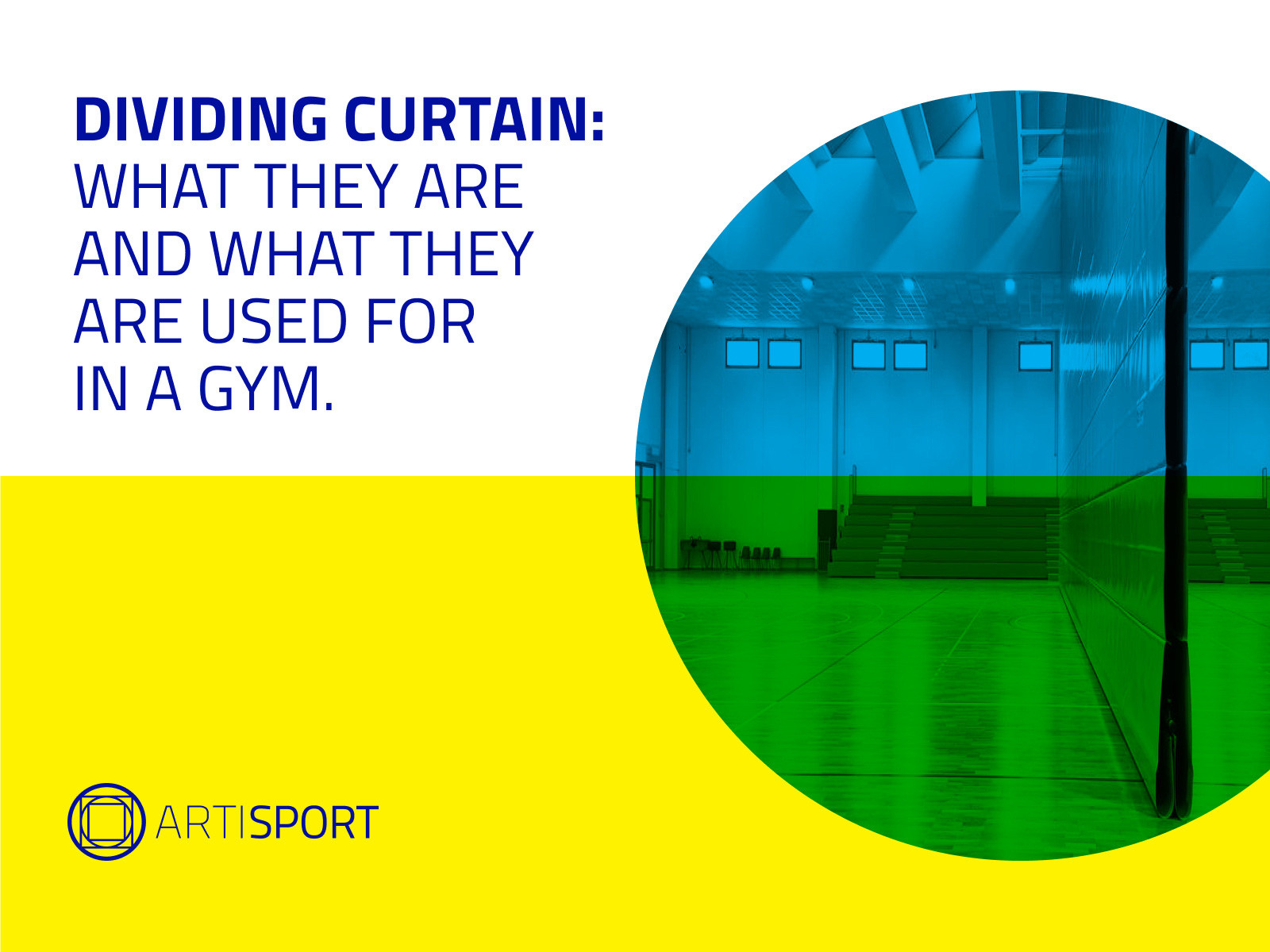 Divider curtains: what they are and their purpose in a sports hallRead more
 -
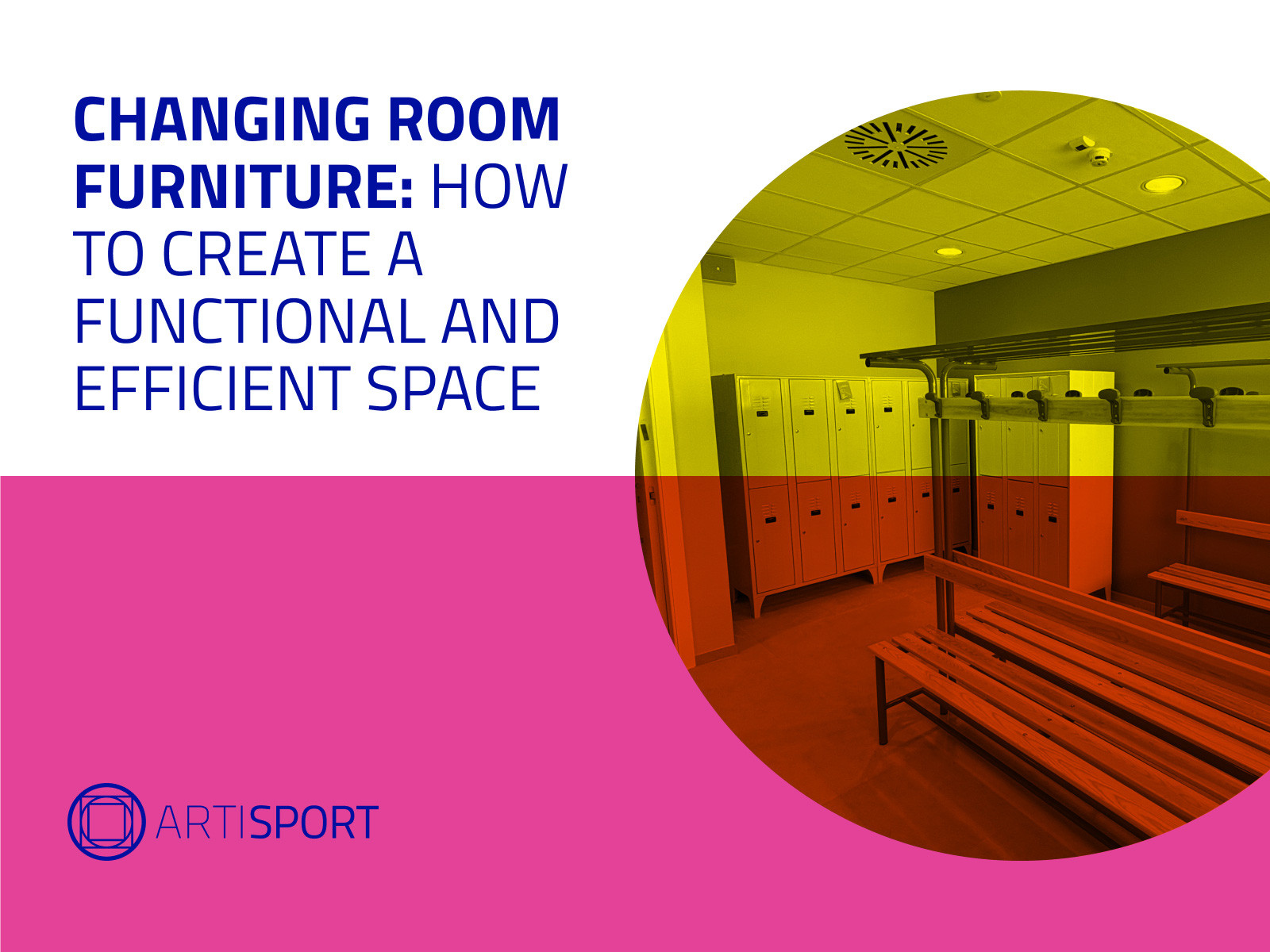 Locker Room Furniture: How to Create a Functional and Efficient SpaceRead more
The locker room is the operational hub of every sports facility. The quality of the athlete experience starts here: a...
-
 Sports facility approval: regulatory framework and safetyRead more
The approval of a sports facility is the formal act through which National Sports Federations (FSN) or CONI reognize...
-
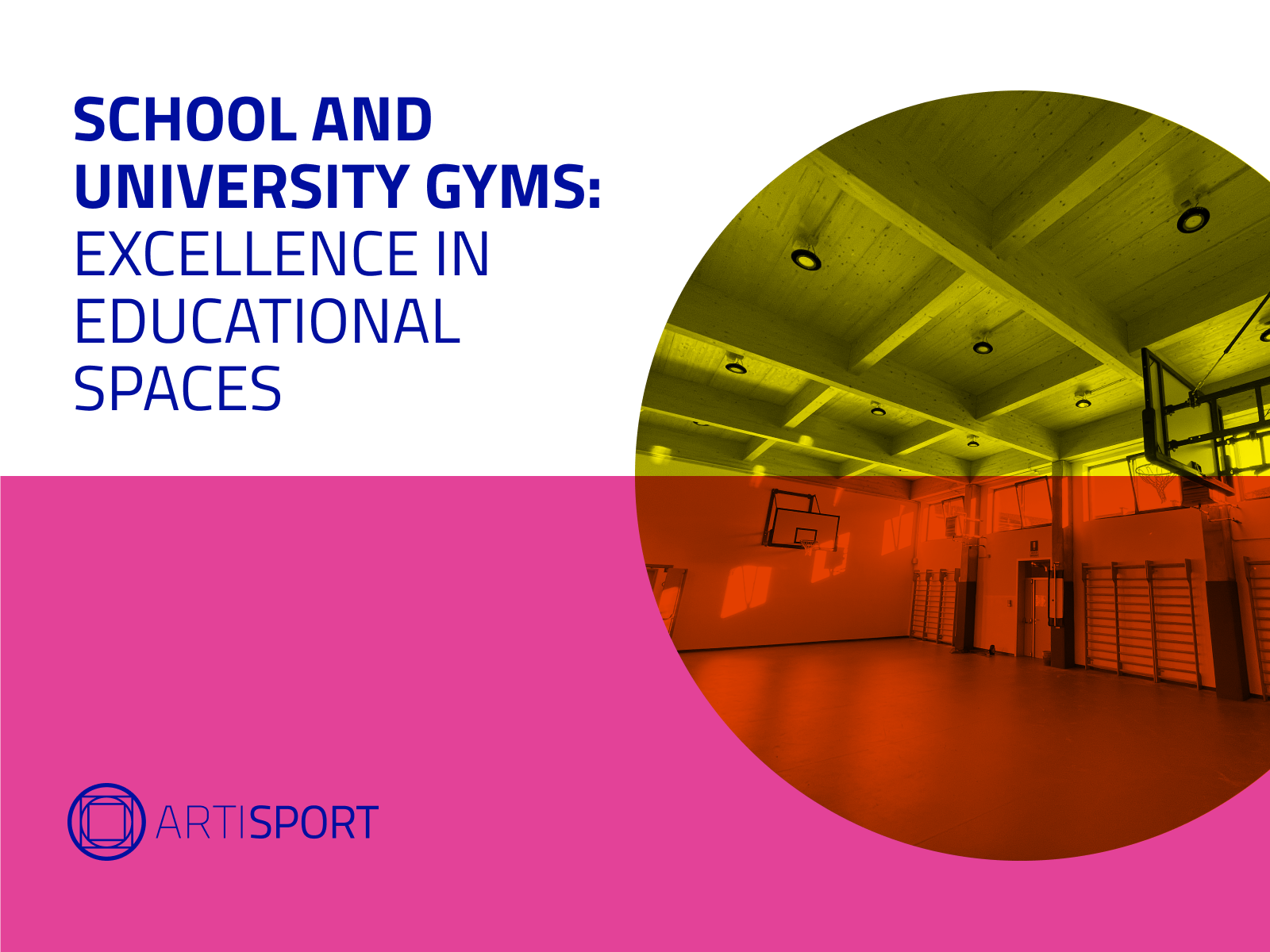 School and University Gyms: Excellence in Educational SpacesRead more
Designing a gym within a school or university requires a technical approach that prioritizes safety and the...
-
 Which volleyball system to choose based on the subfloor typeRead more
Choosing a volleyball system is a technical decision that must start with the analysis of the fixing slab and the gym...
-
 Football and 5-a-side football fields: excellence starts from technical detailsRead more
The quality of a playing field is measured by the reliability of its structural components. Behind every athletic...
-
 Sports facilities for sports halls: from grandstands to locker room furnishingsRead more
Sports halls and sports facilities are not just structures, but places where competition meets passion. To ensure...
-
 Gymnastics equipment for schools: what can’t be missingRead more
To create a safe, stimulating, and educational environment in a school gym, it is essential to be equipped with the...
-
 Grandstands for sports facilities: behind the scenes of their constructionRead more
Grandstands for sports facilities are a key element in ensuring the comfort and safety of spectators during sporting...
-
 Volleyball trainings: what your association or team needRead more
To get the most out of training sessions, it's essential to have the right equipment and organize the environment in...
Blog categories
Search in blog
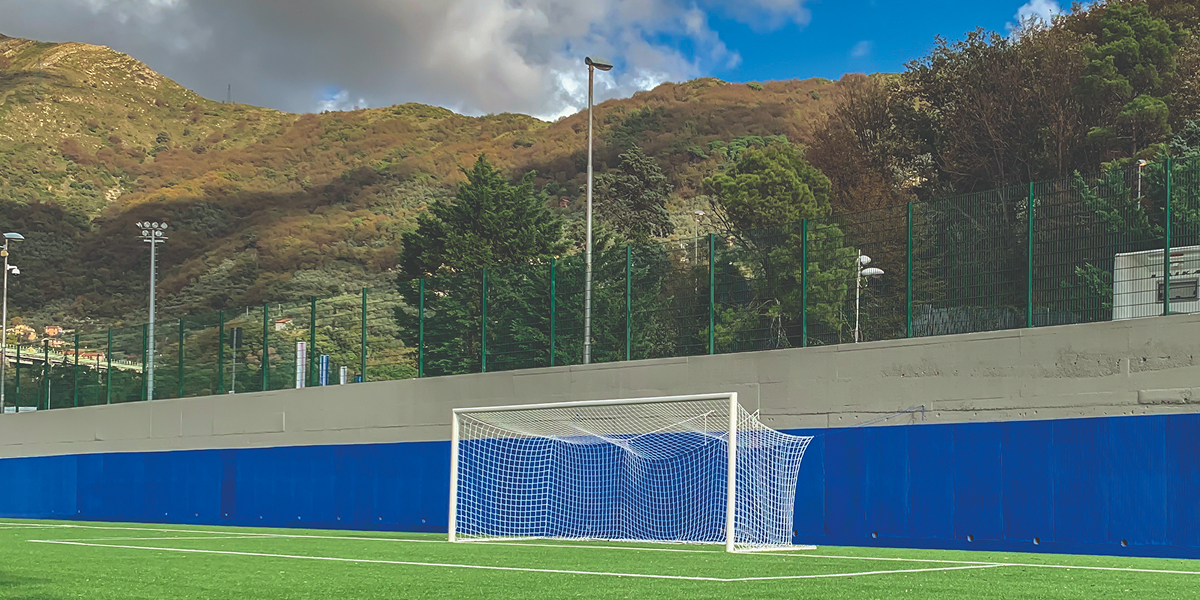
Football goal dimensions: ideal sizes for every need
When it comes to football, one of the key elements on the pitch is the goal. Its dimensions can vary according to the age of the players and the level of competition, to maintain the right balance between the size of the field and the players’ abilities. In this article, we will explore football goal sizes, covering the various options available for professional, amateur, and youth fields.
Standard dimensions of a regulation football goal
The size of a regulation football goal is defined by FIFA regulations for official competitions, both at national and international levels. In this context, the official football goal dimensions are 7.32 meters wide and 2.44 meters high. These are the standard sizes for professional and semi-professional matches, for both men's and women’s teams.
- Goal Width: 7.32 meters
- Goal Height: 2.44 meters
These measurements are designed to strike a balance between goalkeeper skill and the number of goals scored, keeping the game dynamic and competitive. The 7.32-meter width ensures goalkeepers have enough space to move, while the 2.44-meter height demands agility and strategy to block difficult shots.
For example, the Artisport range includes four types of regulation football goals to choose from. These differ in how they are anchored to the ground:
- F735 e F735/PS football goals with ground sleeves to be embedded
- F732 e F730 portable football goals
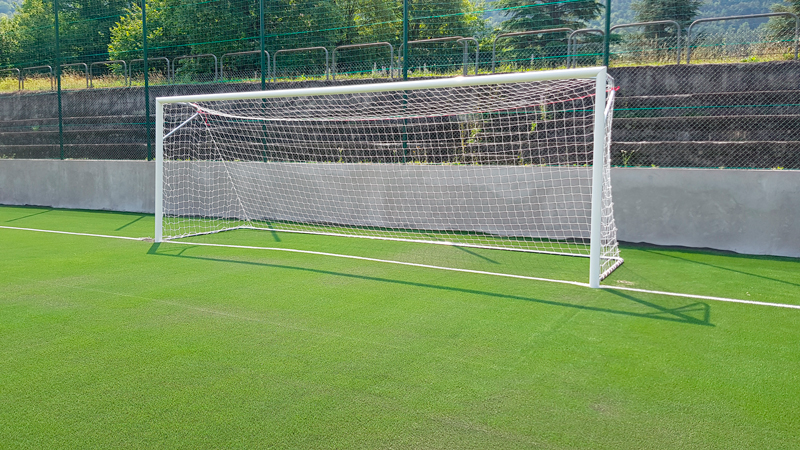
Youth football goals
For young players, football goal dimensions are smaller than adult standards. This is because children need goals proportional to their physical abilities. The sizes of youth goals vary depending on the age category, to support progressive learning of the game and help improve their technical skills.
For youth categories, the typical goal sizes are:
- Children aged 6 to 7: meters wide and 1.83 meters high
- Children aged 8 to 11: 5 meters wide and 2 meters high
These dimensions help young players develop both defensive and offensive skills without being hindered by goals that are too large or too small for their age.
Goals for 5-a-side football
5-a-side football, or futsal, is a popular variation of football, mainly played on indoor courts. The goals in futsal are significantly smaller than in traditional 11-a-side football, suitable for the smaller field and faster-paced game.
The dimensions of a 5-a-side football goal are as follows:
- Goal width: 3 meters.
- Goal height: 2 meters.
These smaller goals make the game more dynamic, requiring speed and accuracy in shooting and quick reflexes from the goalkeeper. The smaller goal size maintains competitiveness and increases the pace of the game, with more action and frequent shooting opportunities. Artisport's 5-a-side goals are TUV certified according to UNI EN 749 standards, ensuring high-quality construction. They are available in steel tubing (model F756) or aluminum tubing (model F757) offering increased lightness. For installation flexibility, you can choose between embedded ground sleeve models or portable goals.
Goals for 7-a-side football
7-a-side football is a variation of 11-a-side, often used in amateur matches and non-professional tournaments. The dimensions of 7-a-side goals fall between standard and futsal sizes, making it ideal for medium-sized fields and smaller teams.
The dimensions of a 7-a-side football goal are as follows:
- Goal width: 6 meters.
- Goal height: 2 meters.
These dimensions provide a good balance for goalkeepers, who must cover a goal smaller than in 11-a-side but larger than in futsal. It's a perfect solution for those seeking a gameplay experience similar to 11-a-side football, but on a smaller scale.
Artisport’s 7-a-side football goals include models F730/1 , F731, F731/1.
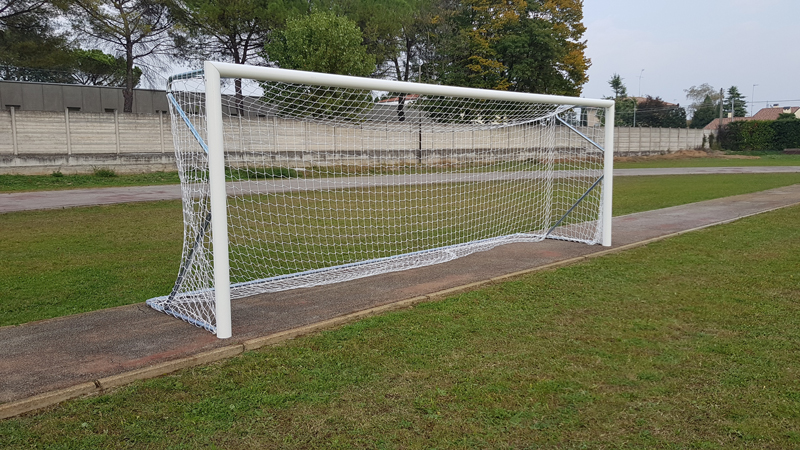
Height and width: how to choose the right size
When selecting a football goal, it’s essential to consider the dimensions in relation to the intended use. For instance, if the goal is for a professional pitch, the regulation size of 7.32 x 2.44 meters is the best option. If it's for children or amateur matches, smaller goals are preferable to encourage learning or a more dynamic and accessible game.
The choice of goal size depends on various factors, including the age of the players, the type of competition, and the available space. Whether it's a professional match, a friendly game, or a youth training session, it’s important to choose a goal with the appropriate dimensions to ensure an optimal playing experience.
Whether you're looking for a regulation goal or a more flexible solution, there are many options to suit every gameplay need. On our website, you can view all available football goals and request a personalized quote.
Posted in:
Default category
Related posts
-
 Football training: what your team or club needs
Whether you're managing a youth team, an amateur club, or a professional squad, weekly training is crucial to...Read more
Football training: what your team or club needs
Whether you're managing a youth team, an amateur club, or a professional squad, weekly training is crucial to...Read more -
Grandstands for sports facilities: behind the scenes of their construction
Grandstands for sports facilities are a key element in ensuring the comfort and safety of spectators during sporting...Read more
-
Football and 5-a-side football fields: excellence starts from technical details
The quality of a playing field is measured by the reliability of its structural components. Behind every athletic...Read more
Leave a comment