
 Sport
Sport

 Basketball

 Football - Soccer

 5-a-side football - Minisoccer

 Beach soccer

 Handball

 Volleyball
What is a divider curtain used for in a gym or sports hall? In modern sports facilities, the efficient use of space...

Latest posts
-
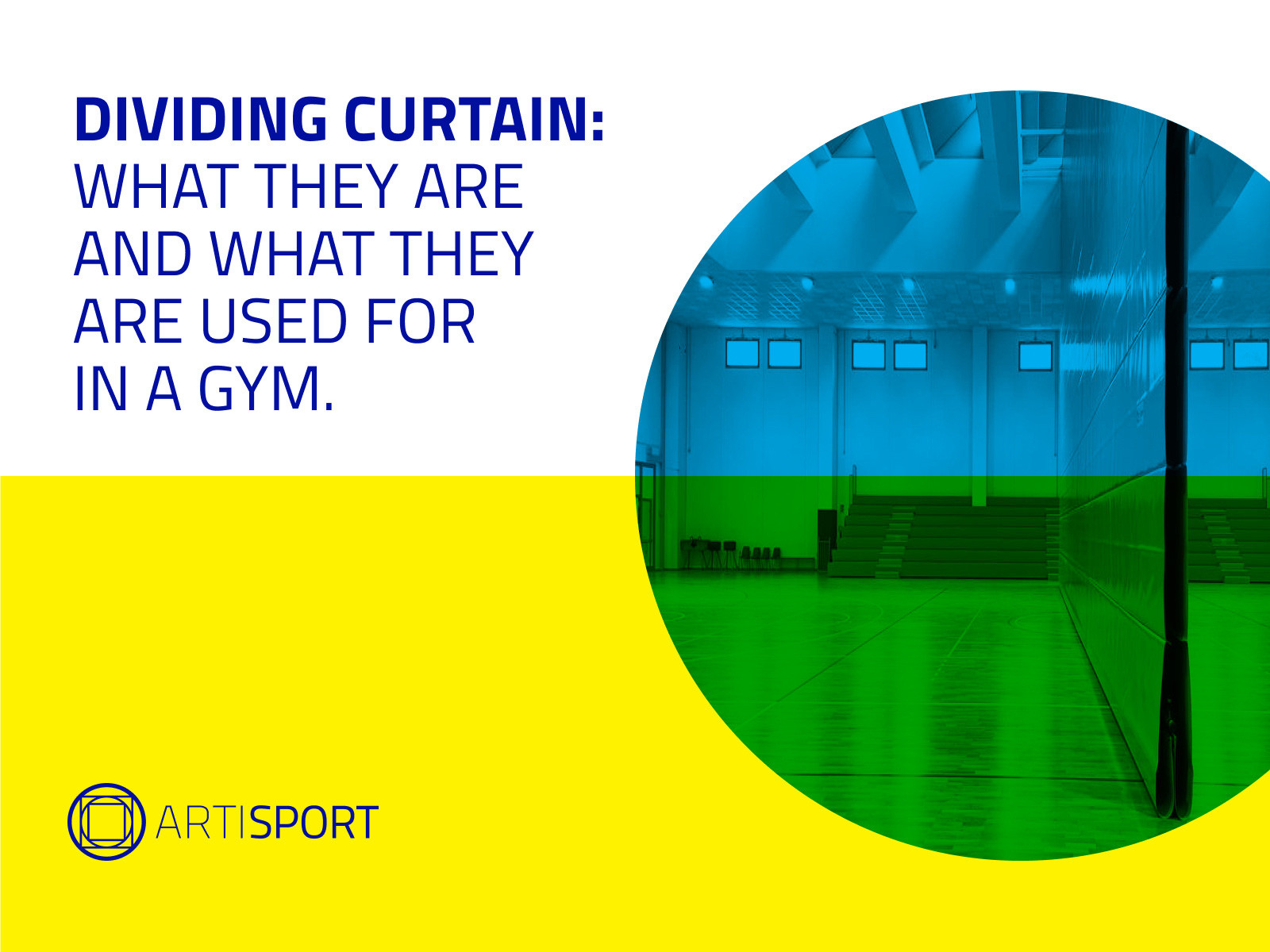 Divider curtains: what they are and their purpose in a sports hallRead more
 -
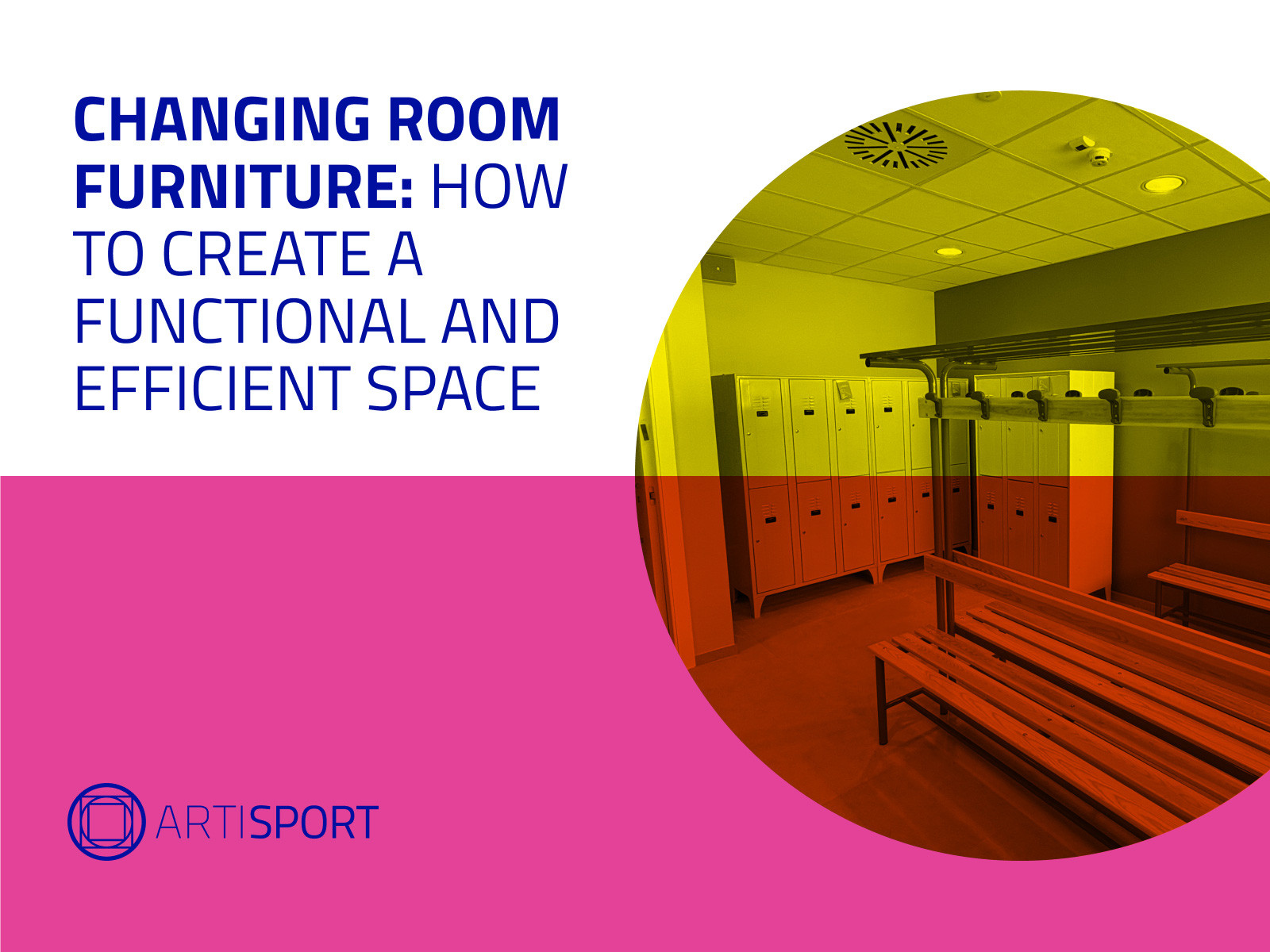 Locker Room Furniture: How to Create a Functional and Efficient SpaceRead more
The locker room is the operational hub of every sports facility. The quality of the athlete experience starts here: a...
-
 Sports facility approval: regulatory framework and safetyRead more
The approval of a sports facility is the formal act through which National Sports Federations (FSN) or CONI reognize...
-
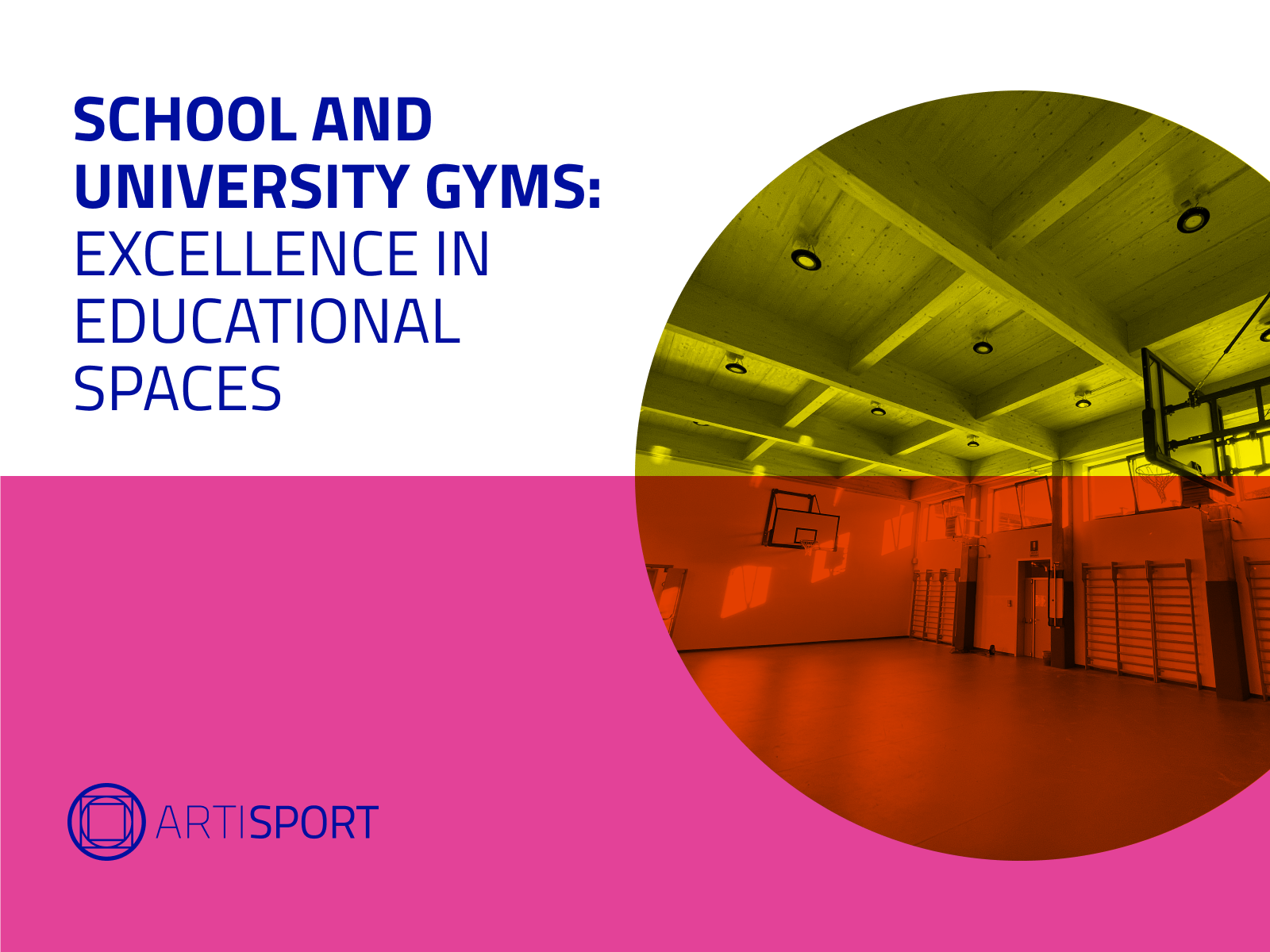 School and University Gyms: Excellence in Educational SpacesRead more
Designing a gym within a school or university requires a technical approach that prioritizes safety and the...
-
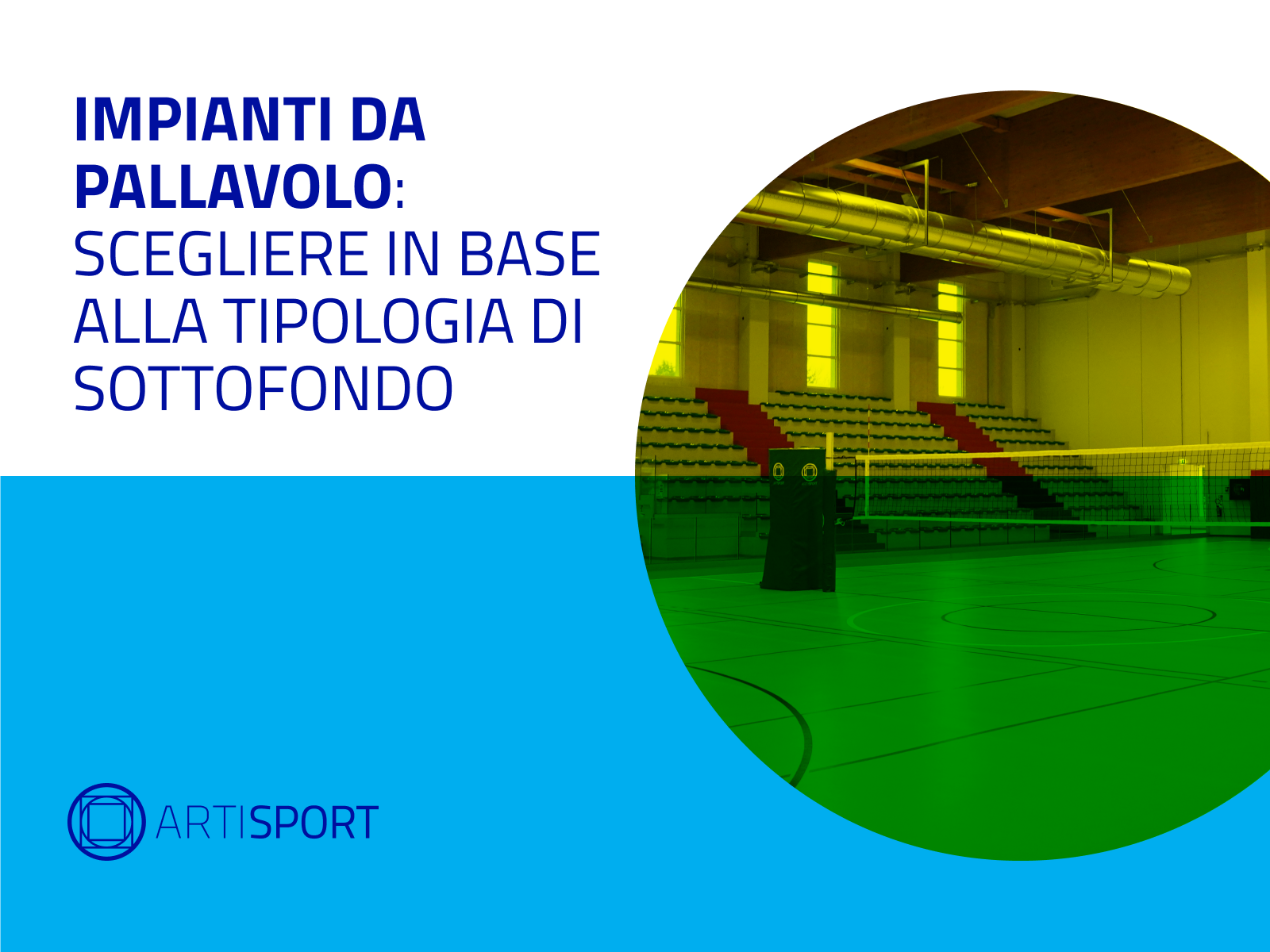 Which volleyball system to choose based on the subfloor typeRead more
Choosing a volleyball system is a technical decision that must start with the analysis of the fixing slab and the gym...
-
 Football and 5-a-side football fields: excellence starts from technical detailsRead more
The quality of a playing field is measured by the reliability of its structural components. Behind every athletic...
-
 Sports facilities for sports halls: from grandstands to locker room furnishingsRead more
Sports halls and sports facilities are not just structures, but places where competition meets passion. To ensure...
-
 Gymnastics equipment for schools: what can’t be missingRead more
To create a safe, stimulating, and educational environment in a school gym, it is essential to be equipped with the...
-
 Grandstands for sports facilities: behind the scenes of their constructionRead more
Grandstands for sports facilities are a key element in ensuring the comfort and safety of spectators during sporting...
-
 Volleyball trainings: what your association or team needRead more
To get the most out of training sessions, it's essential to have the right equipment and organize the environment in...
Blog categories
Search in blog
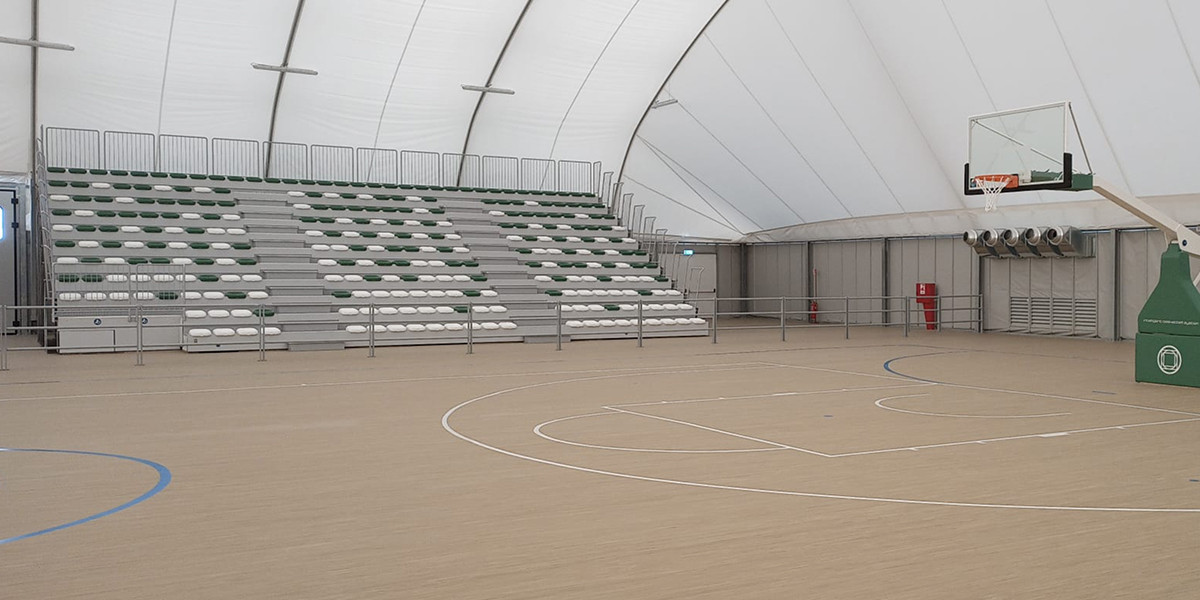
Grandstands for sports facilities: behind the scenes of their construction
Needs Analysis and Feasibility
Every grandstand project begins with a careful assessment of the specific requirements of the sports facility. This preliminary phase includes:
- Client requirements assessment: number of seats needed, types of events planned, and available budget.
- Context analysis: dimensions and characteristics of the installation area, compliance with local regulations and safety standards.
- Technical feasibility verification: structural and environmental analysis to determine whether the project can be realized under the given conditions.
Structural Design of a Grandstand
Once the main requirements have been defined, the actual design phase begins. This step includes:
- Design and layout definition: determining the layout, material selection, and organization of spaces (entrances, emergency exits, VIP areas, and accessibility zones).
- Structural calculations: engineers evaluate static and dynamic loads to ensure the grandstand’s stability and safety.
- Design customization: many facilities require modular or custom-built stands to fit the site’s aesthetic and practical needs.
Material Selection
The materials used for grandstands must combine strength, lightness, and durability.
Common choices include:
- Steel: used for the main structure due to its robustness and versatility.
- Aluminum: lightweight and corrosion-resistant, ideal for outdoor installations.
- Plastic or composite materials: often used for ergonomic, weather-resistant seating.
- Coatings: fireproof and non-slip materials for steps and walking surfaces.
Production and Prefabrication
Most modern grandstands are built using prefabricated elements, offering several advantages:
- Fast installation: components can be assembled quickly on site.
- Precision: factory production ensures high quality standards.
- Modularity: allows for future expansions or modifications without invasive work.
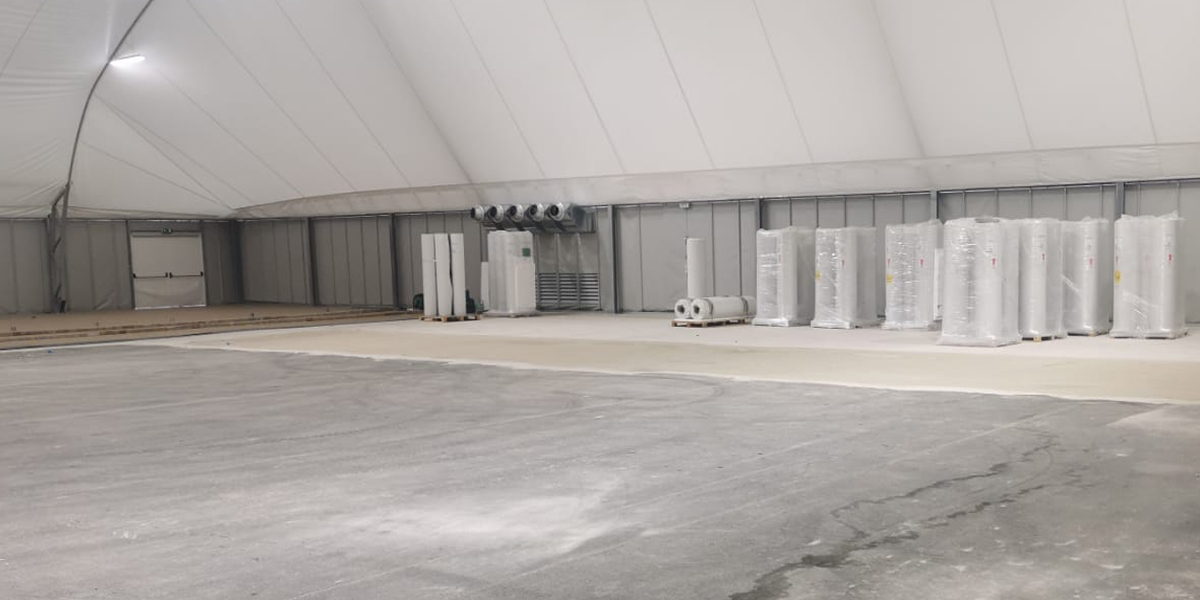
Site preparation
Before installation, the site must be carefully prepared. This step includes:
- Ground leveling: essential to ensure stability and safety.
- Foundation placement: the base must be designed to support the structure’s weight and that of the spectators.
- Integration with existing systems: electrical connections, lighting, and other services must be incorporated without compromising functionality or aesthetics.
Assembly and Installation
The assembly of the grandstand is a delicate phase requiring precision and strict adherence to safety regulations. The main steps are:
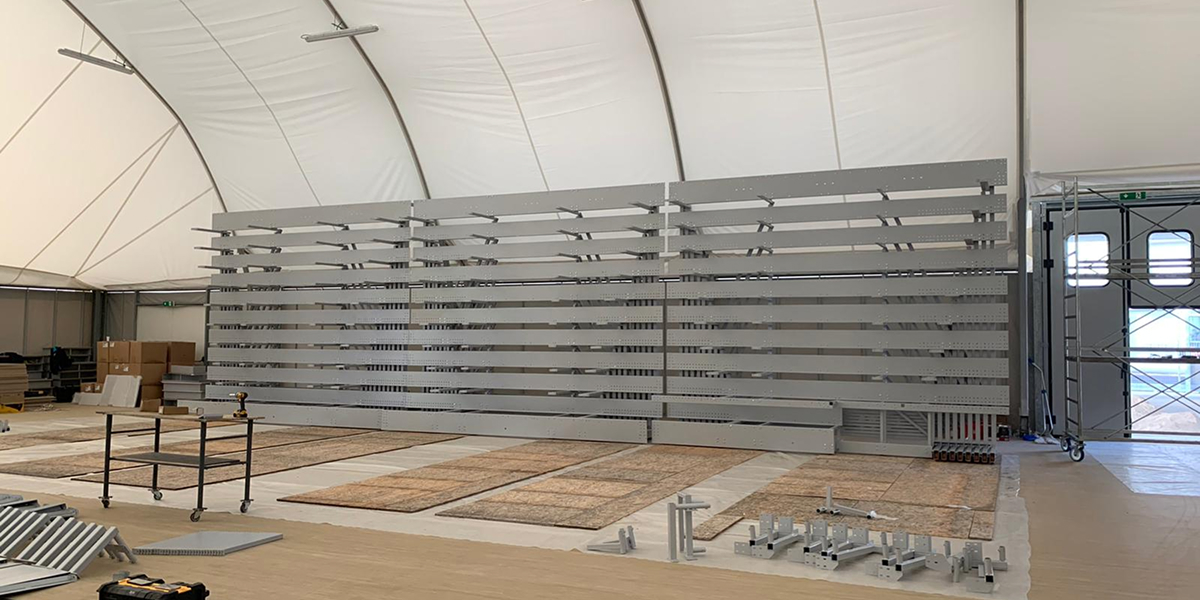
- Structure assembly: prefabricated elements are joined on site according to the technical plan.
- Installation of seats and accessories: chairs, railings, staircases, and coverings are added to complete the structure.
- Safety verification: final inspections ensure compliance with all required standards
Testing and Certification
Before opening to the public, every grandstand must undergo rigorous testing. Specialists verify:
- Structural stability: resistance to loads and stresses.
- Accessibility: compliance with regulations for people with disabilities.
- Fire safety: inspection of escape routes, fireproof materials, and evacuation systems.
The main reference standards include: UNI EN 13200-1, 13200-3, 13200-5, and UNI EN 1090-2 in EXC3.
Maintenance and Post-Installation Management
A well-constructed grandstand requires regular maintenance to ensure long-term performance.
Each grandstand includes, by law, a maintenance plan as part of its overall design. Routine maintenance focuses on checking material wear (especially wood) and ensuring that bolts and fastenings are secure. These operations must be carried out regularly.
More complex maintenance activities should be performed by the manufacturer or a specialized company.
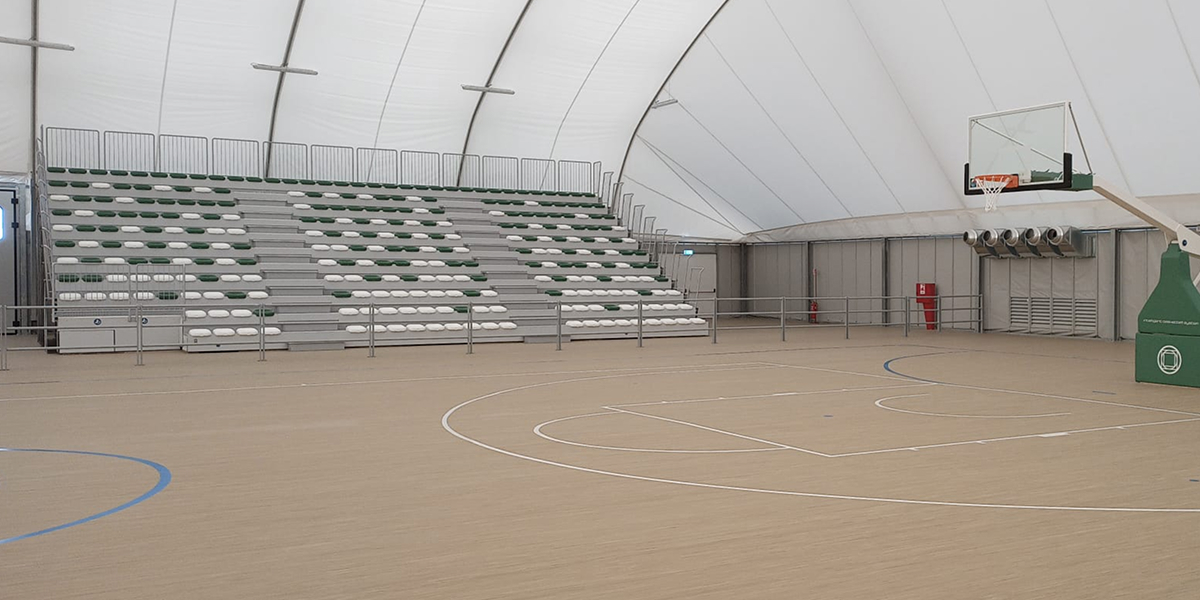
The construction of grandstands for sports facilities is a complex process that combines engineering, design, and a strong focus on safety.
If you’re planning to design or expand a sports venue, the Artisport team has the expertise to guide you toward the best solution for your needs.
Related posts
-
 Football goal dimensions: ideal sizes for every need
The choice of football goal dimensions can vary depending on the age of the players and the level of competition, to...Read more
Football goal dimensions: ideal sizes for every need
The choice of football goal dimensions can vary depending on the age of the players and the level of competition, to...Read more -
 Regulation height of a volleyball net: a complete guide
The net is one of the essential elements of volleyball. It separates the two teams and serves as an obstacle that...Read more
Regulation height of a volleyball net: a complete guide
The net is one of the essential elements of volleyball. It separates the two teams and serves as an obstacle that...Read more -
 How to choose a professional volleyball system
Purchasing a volleyball system requires some important considerations. Let's take a look at the key elements to keep...Read more
How to choose a professional volleyball system
Purchasing a volleyball system requires some important considerations. Let's take a look at the key elements to keep...Read more -
 Football training: what your team or club needs
Whether you're managing a youth team, an amateur club, or a professional squad, weekly training is crucial to...Read more
Football training: what your team or club needs
Whether you're managing a youth team, an amateur club, or a professional squad, weekly training is crucial to...Read more -
 FIBA regulation basketball facility: key features and aspects to consider
The basketball facility is the heart of the game and must meet specific regulatory standards to ensure that matches...Read more
FIBA regulation basketball facility: key features and aspects to consider
The basketball facility is the heart of the game and must meet specific regulatory standards to ensure that matches...Read more
Leave a comment