
 Sport
Sport

 Basketball

 Football - Soccer

 5-a-side football - Minisoccer

 Beach soccer

 Handball

 Volleyball
What is a divider curtain used for in a gym or sports hall? In modern sports facilities, the efficient use of space...

Latest posts
-
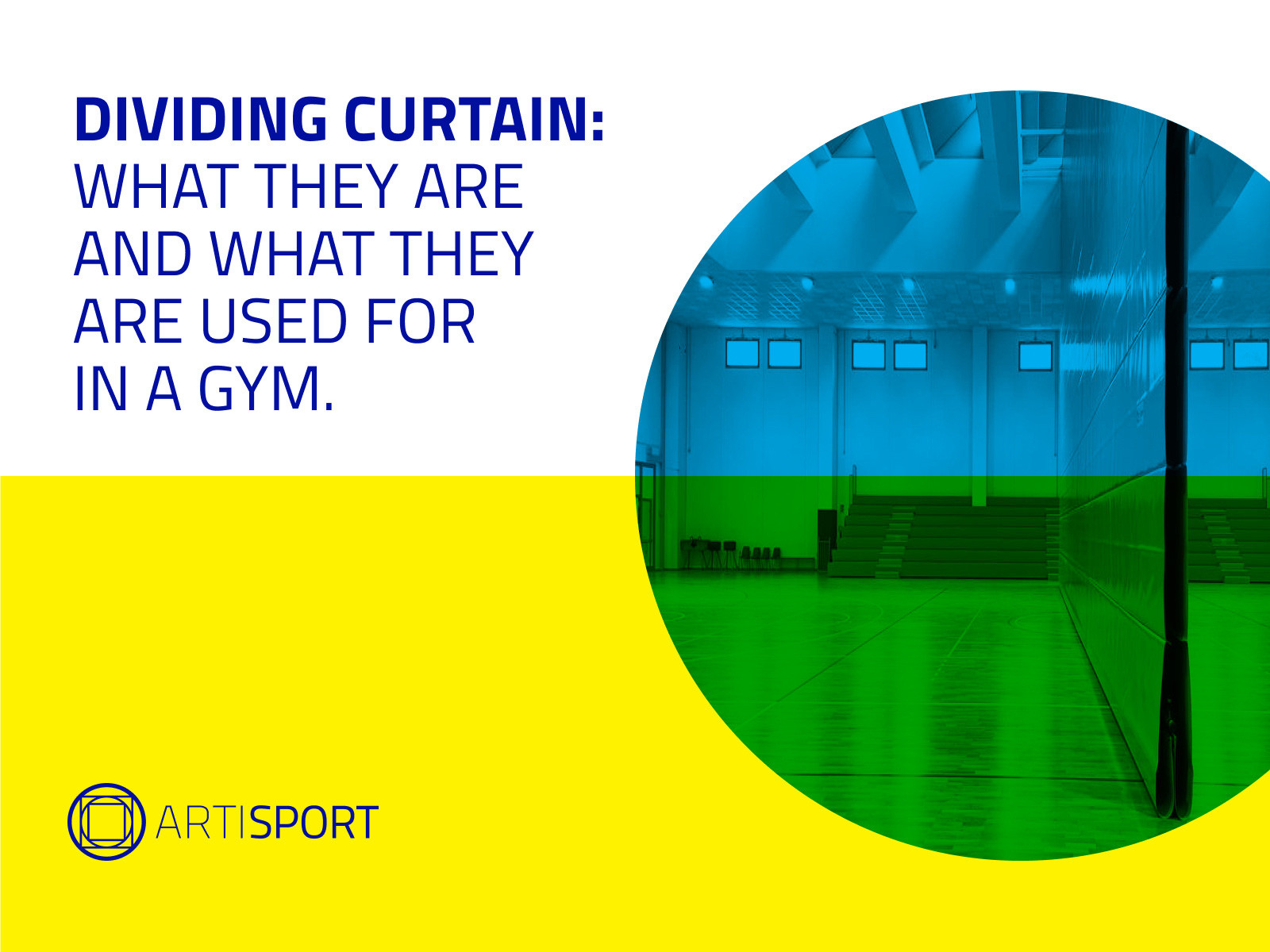 Divider curtains: what they are and their purpose in a sports hallRead more
 -
 Locker Room Furniture: How to Create a Functional and Efficient SpaceRead more
The locker room is the operational hub of every sports facility. The quality of the athlete experience starts here: a...
-
 Sports facility approval: regulatory framework and safetyRead more
The approval of a sports facility is the formal act through which National Sports Federations (FSN) or CONI reognize...
-
 School and University Gyms: Excellence in Educational SpacesRead more
Designing a gym within a school or university requires a technical approach that prioritizes safety and the...
-
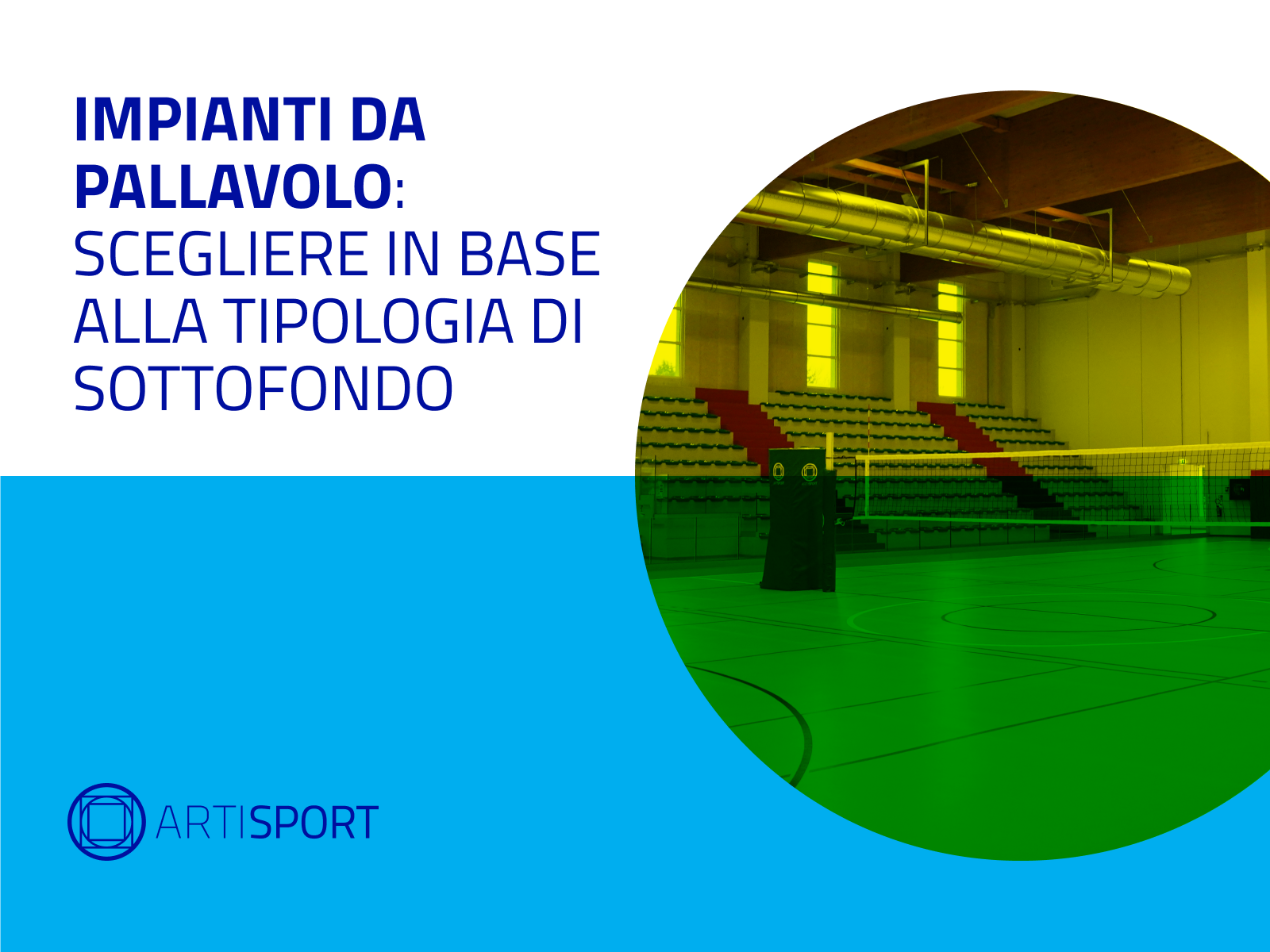 Which volleyball system to choose based on the subfloor typeRead more
Choosing a volleyball system is a technical decision that must start with the analysis of the fixing slab and the gym...
-
 Football and 5-a-side football fields: excellence starts from technical detailsRead more
The quality of a playing field is measured by the reliability of its structural components. Behind every athletic...
-
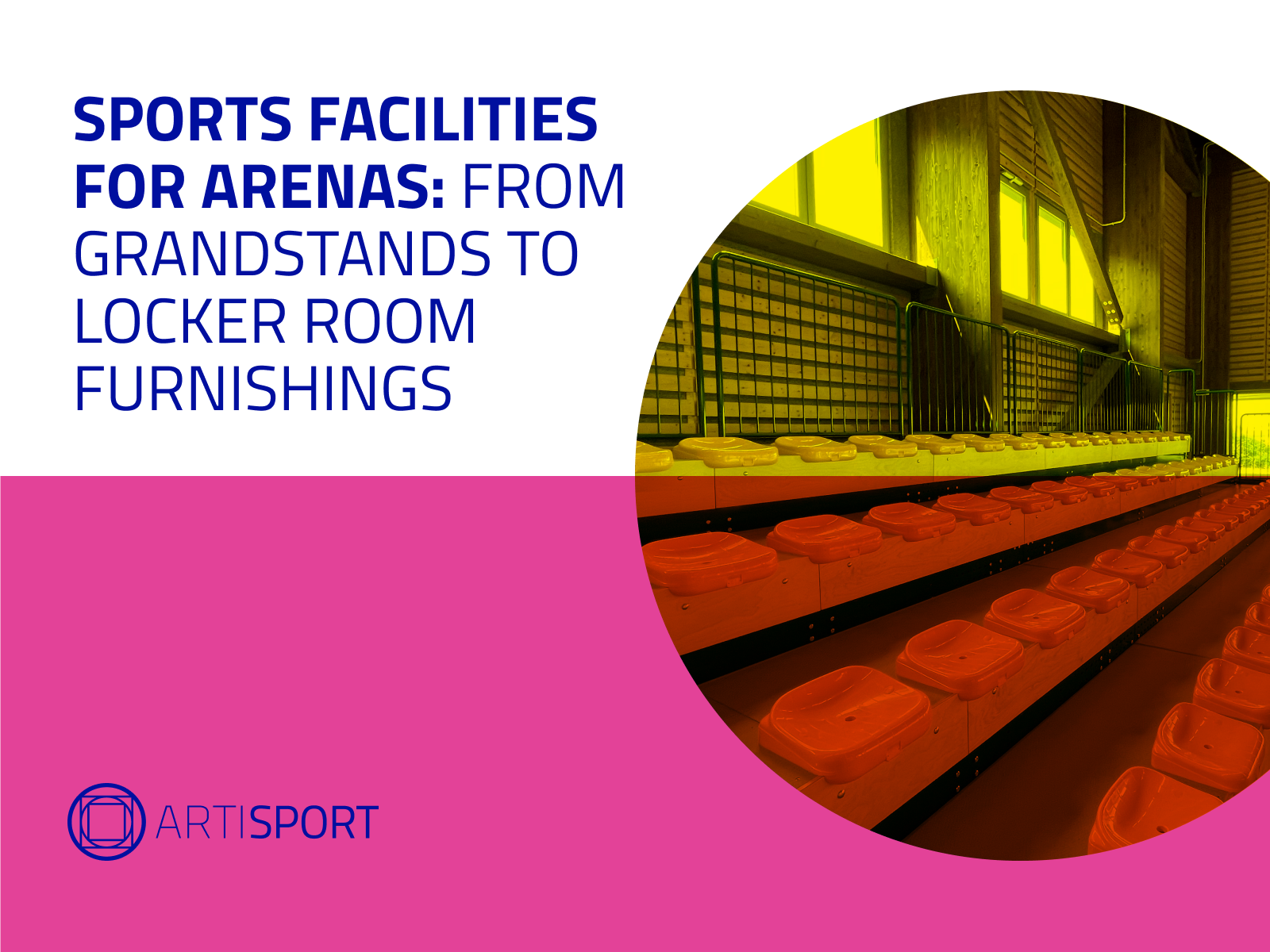 Sports facilities for sports halls: from grandstands to locker room furnishingsRead more
Sports halls and sports facilities are not just structures, but places where competition meets passion. To ensure...
-
 Gymnastics equipment for schools: what can’t be missingRead more
To create a safe, stimulating, and educational environment in a school gym, it is essential to be equipped with the...
-
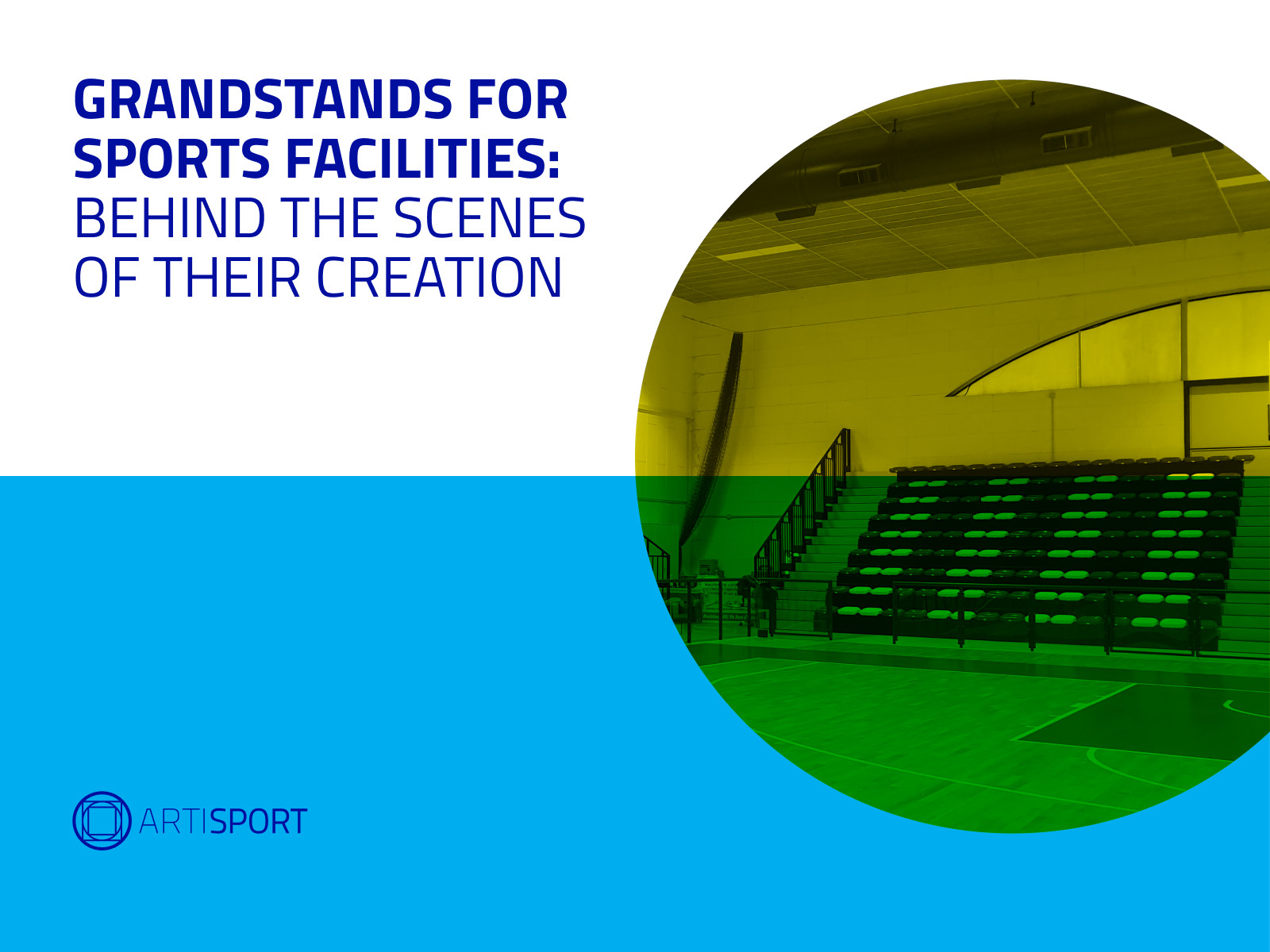 Grandstands for sports facilities: behind the scenes of their constructionRead more
Grandstands for sports facilities are a key element in ensuring the comfort and safety of spectators during sporting...
-
 Volleyball trainings: what your association or team needRead more
To get the most out of training sessions, it's essential to have the right equipment and organize the environment in...
Blog categories
Search in blog
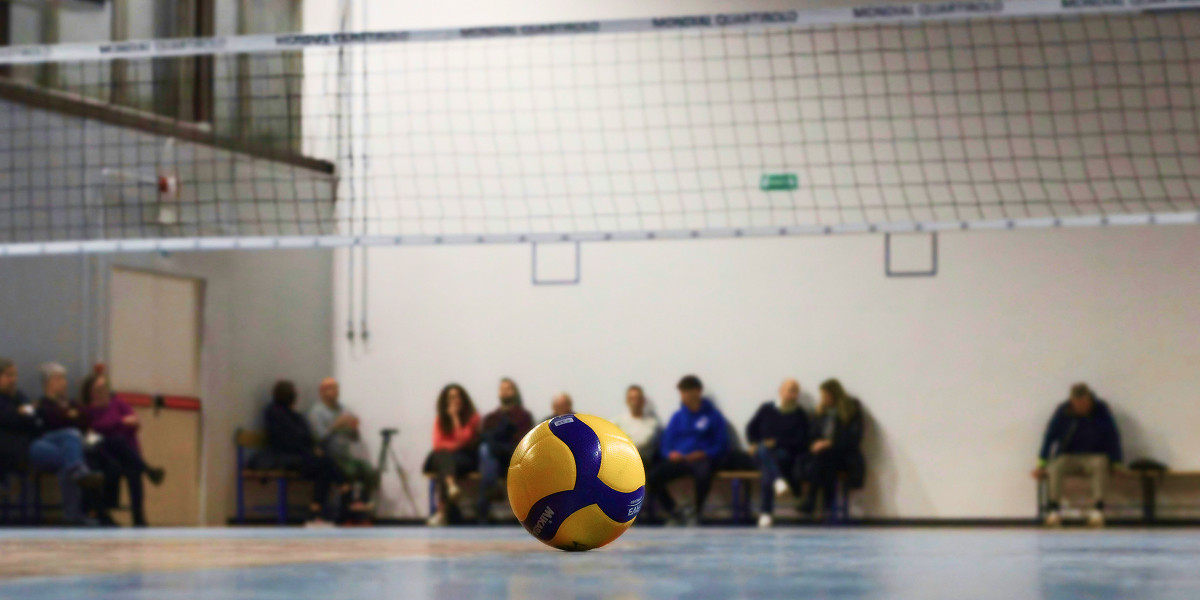
Regulation height of a volleyball net: a complete guide
The net is one of the essential elements of volleyball. It separates the two teams and serves as an obstacle that players must overcome with precision and skill. The height of the volleyball net is regulated by international standards, and the measurements vary depending on whether the competition is for men or women. In this article, we’ll take a detailed look at the regulation height of a volleyball net, explore the differences, and highlight key aspects to consider when purchasing a net.
.jpg)
Regulation volleyball net height for men’s competitions
For men's volleyball, the official net height is 2.43 meters. This standard is adopted in all official competitions, including those organized by the FIVB (International Volleyball Federation) and national federations. The choice of this height is based on studies related to the average jumping ability and athletic performance of male professional players.
- Men’s volleyball net height: 2.43 meters
The 2.43-meter height is designed to ensure a balanced technical challenge between offense and defense, considering men's physical capabilities in terms of power and jumping ability. At the amateur or school level, this height may be slightly adjusted based on the age and skill level of the players.
Regulation volleyball net height for women’s competitions
For women’s competitions, the regulation net height is slightly lower than the men's, set at 2.24 meters. This takes into account the average physical differences between men and women, while still maintaining a high level of competition and entertainment.
- Women’s volleyball net height: 2.24 meters
This height allows female players to fully utilize their technical skills, such as ball control, game speed, and coordination, while keeping the level of challenge high in both professional and amateur competitions.
Differences between men’s and women’s volleyball nets
The differences between men’s and women’s volleyball nets are minimal in terms of design, materials, and structure. The primary difference is the height. The net itself is 9.5 to 10 meters wide and about 1 meter high, regardless of gender. This ensures that the playing area is always properly divided and that the gameplay experience is balanced for both teams.
Another factor that may vary is the tension of the net. To ensure optimal playability, the net must always be properly tightened and aligned with the support poles. Although the tension usually remains consistent, in some amateur or school competitions, the net may be slightly looser to accommodate lower-level players.
For example, Artisport offers the V708/C volleyball system certified for international A1 category competitions, made from aluminum and equipped with internal anti-bending reinforcements and fully hidden sliding net adjusters. In this model, the net height adjustment can be carried out using a removable handle.
Posted in:
Pallavolo
Related posts
-
 How to choose a professional volleyball system
Purchasing a volleyball system requires some important considerations. Let's take a look at the key elements to keep...Read more
How to choose a professional volleyball system
Purchasing a volleyball system requires some important considerations. Let's take a look at the key elements to keep...Read more -
 Professional volleyball facilities: types, uses and accessories
Volleyball requires specific, certified facilities to ensure safety and optimal performance. Together with the team...Read more
Professional volleyball facilities: types, uses and accessories
Volleyball requires specific, certified facilities to ensure safety and optimal performance. Together with the team...Read more -
Volleyball trainings: what your association or team need
To get the most out of training sessions, it's essential to have the right equipment and organize the environment in...Read more
-
Grandstands for sports facilities: behind the scenes of their construction
Grandstands for sports facilities are a key element in ensuring the comfort and safety of spectators during sporting...Read more
-
Which volleyball system to choose based on the subfloor type
Choosing a volleyball system is a technical decision that must start with the analysis of the fixing slab and the gym...Read more
Leave a comment